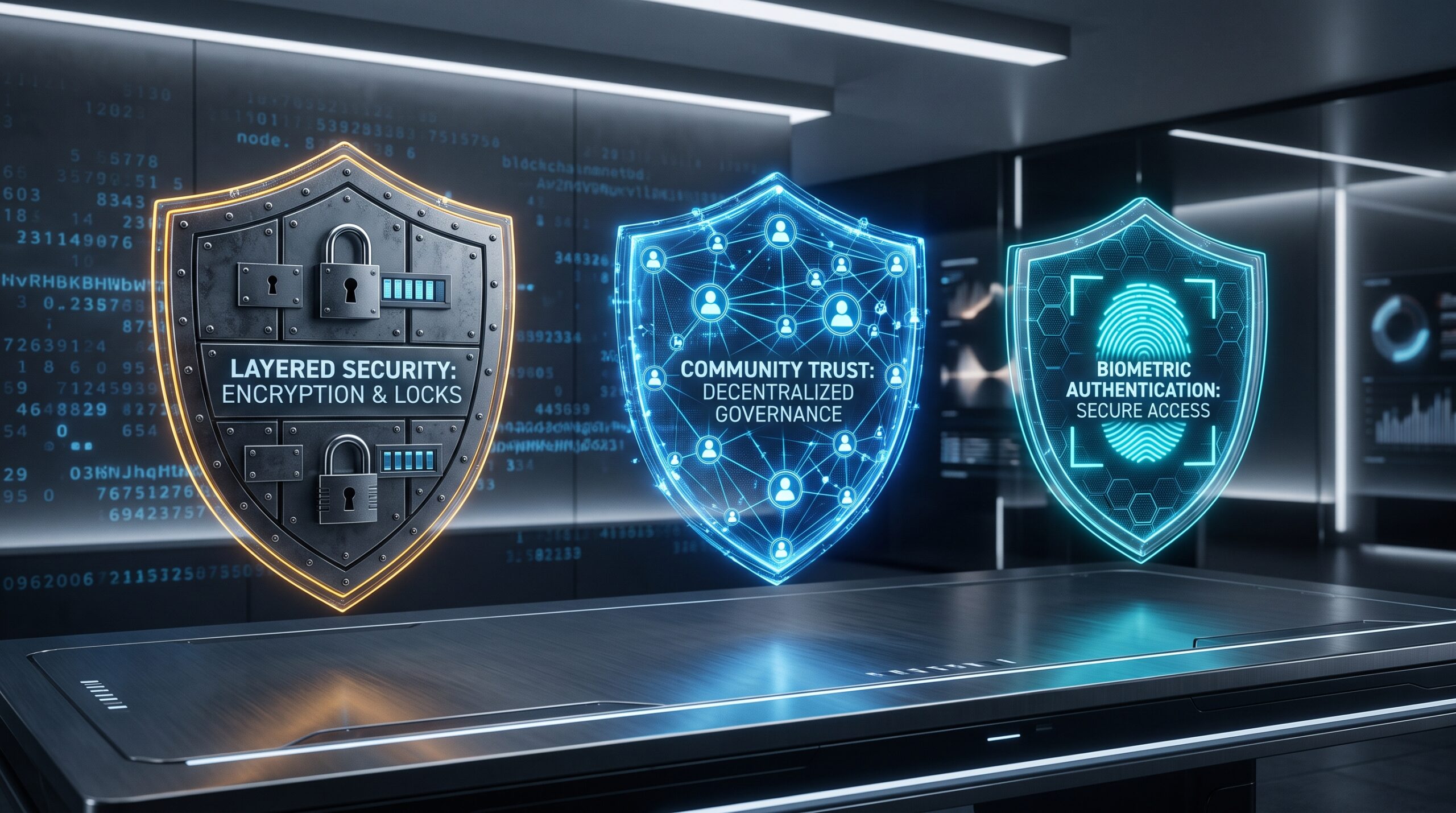
The traditional era of safeguarding a 12-word seed phrase on a scrap of paper is officially dead. The introduction of advanced Ethereum account abstraction standards, specifically ERC-4337 and EIP-7702, has ushered in a completely new generation of smart contract accounts. If you have ever been terrified of losing your entire net worth to a single phishing link or a misplaced recovery sheet, these smart systems are designed exactly for you. However, choosing the wrong architecture can leave your assets exposed to unexpected infrastructure risks, proving that what we see on the surface is just the tip of the iceberg.
Navigating this new paradigm can feel incredibly overwhelming when trying to balance absolute security against daily transactional convenience. You want a setup that stops malicious drainers from emptying your funds in a single click, but you also don’t want to jump through ten burning hoops just to buy an NFT or execute a simple swap. Finding that perfect sweet spot between a Fort Knox-level vault and a seamless mobile application requires evaluating the absolute best options on the market. Let’s look closely at how the top three smart wallets stack up against each other.
Safe Wallet: The Fort Knox of On-Chain Security
When it comes to institutional-grade security and securing billions of dollars in decentralized asset treasuries, Safe (formerly Gnosis Safe) remains the undisputed king. Safe operates fundamentally as a multi-signature smart contract infrastructure, meaning your assets are guarded by an M-of-N threshold signing rule. For example, you can configure a setup where a transaction requires approvals from two out of three independent keys before a single token can move. This architecture ensures that even if one of your hardware devices or private keys is entirely compromised, your core capital stays fully locked and protected.
The primary drawback to Safe is that its unparalleled security comes with a slightly steeper usability hurdle. It does not provide a simplified Web2-like onboarding process out of the box; instead, it requires you to connect existing keys, such as physical hardware wallets or hot extensions, to act as the signers. This configuration makes it the perfect “vault account” for your generational savings, but highly inefficient for rapid, daily decentralized application (dApp) interactions.
Argent (Ready): The Pioneer of Social Recovery
Argent, which has continuously evolved its mobile identity toward the “Ready” framework, completely removes the concept of a seed phrase while maintaining true non-custodial ownership. Instead of relying on a physical paper backup, Argent relies on a programmable security feature known as Guardians. Guardians can be trusted friends, family members, or secondary devices that you nominate to help you recover your account, change daily spending caps, or lock your wallet if your phone gets stolen.
| Wallet Option | Core Security Mechanism | Onboarding Friction | Ideal User Profile |
| Safe Wallet | Multi-Signature Threshold (e.g., 2-of-3 Hardware Keys) | High (Requires setting up multiple signers) | High-Net-Worth Holders & DAOs |
| Argent (Ready) | Smart Contract Guardians & Biometric Enclave | Medium (Requires choosing recovery contacts) | Active DeFi & Mobile Power Users |
| Coinbase Smart Wallet | Passkeys (WebAuthn) & Secure Enclave Hardware | Low (Created in seconds via face/fingerprint) | Absolute Beginners & On-chain Newcomers |
Argent’s user experience feels incredibly polished and native to mobile environments, seamlessly handling complex network layers like Starknet and Ethereum L2s behind a clean interface. However, because it relies heavily on smart contract validation logic per transaction, you can occasionally face slightly higher deployment and execution network fees when interacting with niche decentralized platforms.
Coinbase Smart Wallet: The Ultimate for Ease of Use
If your primary goal is to get on-chain in under five seconds without downloading an extension or filling out complex forms, the Coinbase Smart Wallet is a technical marvel. It leverages Passkeys (the WebAuthn standard), meaning it utilizes your phone or laptop’s built-in secure enclave hardware to sign blockchain transactions. You authorize trades using the exact same biometric data you use to unlock your phone: a quick facial scan or a fingerprint touch.
This model removes raw private key exposure completely, shielding users from classic copy-paste clipboard malware and fake support phishing sites. The massive corporate backing also brings a level of infrastructure convenience that is hard to match elsewhere. Features like Magic Spend allow you to pull capital directly from your centralized exchange balance into a DeFi application without manual bridging. The real trade-off here is ecosystem alignment: it is heavily optimized for Coinbase’s Base network, and users seeking absolute sovereign isolation from major corporate nodes might find the architecture a bit too intertwined with centralized tech rails.
The Verdict: Protecting Your Capital in an Evolving Market

We are witnessing a permanent structural shift in how users hold digital assets, and a 2026 Wall Street price bombshell is suddenly hurtling toward Bitcoin and crypto infrastructure as adoption scales. Security is no longer about hiding a piece of paper; it is about choosing the programmable guardrails that match your personal risk tolerance.
Do not rely on a single software application to protect everything you own. The smartest move you can make today is to combine these tools strategically. Use a Safe multisig to lock down your core investment portfolio, and deploy a passkey-driven Coinbase or Argent smart account for your fluid, everyday trading adventures.
FAQ
If I lose my phone, how do I recover a passkey-based smart wallet?
Because passkeys are tied directly to your operating system’s native cloud provider (like Apple iCloud or Google Password Manager), you can easily recover access simply by logging into a new device with your primary cloud account. Many smart wallets also offer backup recovery options through a designated corporate platform or emergency backup keys.
Can a smart wallet contract contain bugs that put my crypto at risk?
Yes, because smart wallets are code running on the blockchain, they are susceptible to smart contract vulnerabilities. To minimize this risk, only use battle-tested architectures like Safe, which have undergone years of rigorous third-party audits and secure the largest treasuries in the entire web3 space.
Do smart wallets require gas fees to set up and deploy?
Yes, because deploying a smart wallet requires launching a brand new contract on the blockchain, there is a one-time network fee involved. However, modern platforms frequently use “Paymasters” to sponsor these initial costs for users, allowing you to get started for free on select Layer-2 networks.