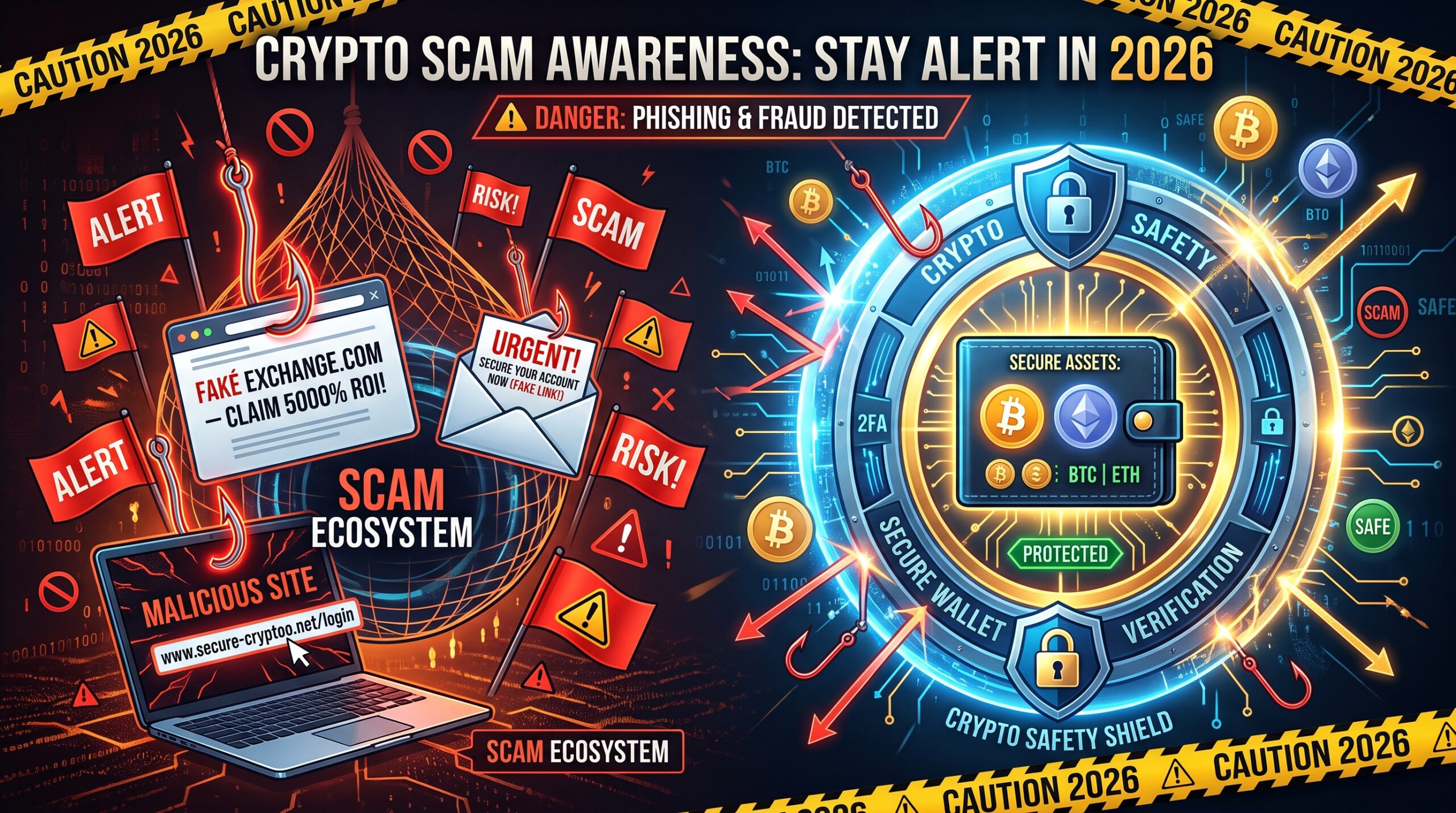
Losing hard-earned money to a slick cryptocurrency scam feels devastating, especially when you thought you were making a smart investment. Fake giveaways, phony exchanges, and sophisticated social engineering tricks prey on excitement around digital assets every single day. In the fast-moving world of crypto, distinguishing legitimate opportunities from dangerous traps grows increasingly difficult for newcomers and veterans alike. Understanding common cryptocurrency scams helps protect your portfolio and peace of mind. Let’s explore what you need to watch for and how to stay safe.
Common Types of Crypto Scams You’ll Encounter
Phishing attacks remain one of the most prevalent threats, with fraudsters creating fake websites or emails mimicking trusted exchanges. They trick users into entering seed phrases or private keys, emptying wallets instantly. Romance scams involving fake profiles on dating apps also surged, where “partners” gradually introduce investment opportunities that vanish with your funds.
Ponzi schemes disguised as high-yield staking or DeFi projects promise unrealistic returns funded by new investors. Rug pulls occur when developers abandon projects after raising capital, leaving token holders with worthless assets. A colleague lost several thousand dollars to a seemingly legitimate NFT project that disappeared overnight after heavy promotion.
Pig butchering scams combine social engineering with fake trading platforms that show artificial profits before blocking withdrawals.
Red Flags That Should Make You Pause
Unsolicited messages promising guaranteed returns or exclusive opportunities almost always signal trouble. Pressure to act quickly or fear of missing out tactics exploit emotions rather than fundamentals. Legitimate projects rarely demand immediate decisions without thorough research time.
Check for verified team information, audited smart contracts, and transparent roadmaps. Anonymous developers or vague whitepapers warrant extra caution. Unrealistic return promises without corresponding risk disclosure scream danger.
Too-good-to-be-true celebrity endorsements often turn out fabricated. Always verify claims through official channels before sending any funds.
Practical Steps to Protect Yourself
Use hardware wallets for significant holdings and never share seed phrases with anyone. Enable two-factor authentication everywhere possible, preferably with authenticator apps rather than SMS. Research projects thoroughly using multiple reputable sources before investing.
Start small with any new platform or token to test withdrawal processes first. Bookmark official websites directly instead of clicking links from messages. Join established community forums to cross-check information and spot emerging scams early.
Consider using privacy-focused tools and separate emails for crypto activities. Regular security audits of your own setup catch vulnerabilities before attackers do.
Recovery Options and Lessons Learned

Report scams immediately to platforms like the FTC, local authorities, and blockchain analytics firms that sometimes trace stolen funds. Recovery chances remain low, but documentation helps build cases against repeat offenders. Focus energy on prevention rather than chasing losses.
The most valuable lesson comes from treating every opportunity with healthy skepticism. A cautious approach preserves capital for genuine projects while avoiding devastating setbacks. Many successful investors lost money early before developing strong verification habits.
Stay vigilant starting today. Review your current holdings and security practices this week. Bookmark trusted resources, join reputable communities, and commit to thorough due diligence before every investment. Protecting yourself from cryptocurrency scams isn’t complicated—it just requires consistent awareness and discipline. Your future financial security depends on it.
FAQ
What should I do if I already fell for a scam?
Report it immediately to authorities and relevant platforms, secure remaining accounts, and avoid further contact with scammers.
Are all unsolicited crypto offers scams?
Not necessarily, but treat them with extreme caution and verify independently through official channels.
How can I spot fake exchange websites?
Check domain names carefully for subtle misspellings and ensure proper security certificates.
Do hardware wallets completely protect against scams?
They help secure funds but cannot prevent you from approving malicious transactions yourself.
Should beginners avoid crypto entirely?
No—start small, educate yourself thoroughly, and use reputable platforms while maintaining strong